
The Ultimate Guide to Dry Flowers DIY at Home

If you love flowers, you know how fleeting their beauty can be. Drying flowers at home lets you preserve their charm and keep memories alive for months or even years. Whether you want to create lasting decorations, craft gifts, or simply enjoy your favourite blooms longer, drying flowers manually is a simple and rewarding skill. This guide walks you through everything you need to know to dry flowers at home effectively, with practical tips and clear steps.
We do not offer custom dry flower arrangement services at this time. However, we have a variety of options available for you at our physical store, at Union Station in Toronto, to arrange on your own at home.
Choosing the Right Flowers for Drying
Not all flowers dry well, so start by selecting blooms that hold their shape and colour after drying. Flowers with low moisture content and sturdy petals work best. Some popular choices include:
Roses: Classic and fragrant, roses dry beautifully if picked at the right stage.
Lavender: Retains scent and colour well.
Statice: Holds colour and shape, ideal for arrangements.
Hydrangeas: Large blooms that dry into delicate, papery flowers.
Baby’s Breath: Adds a soft, airy touch to dried bouquets.

Pick flowers that are fresh but fully open, avoiding those that are wilting or damaged. Early morning is the best time to harvest, after the dew has dried but before the sun is too hot.
You can find these popular flowers at our store, although some are in stock more often than others. If you're thinking about buying them from us, just ask our staff!
Preparing Flowers for Drying
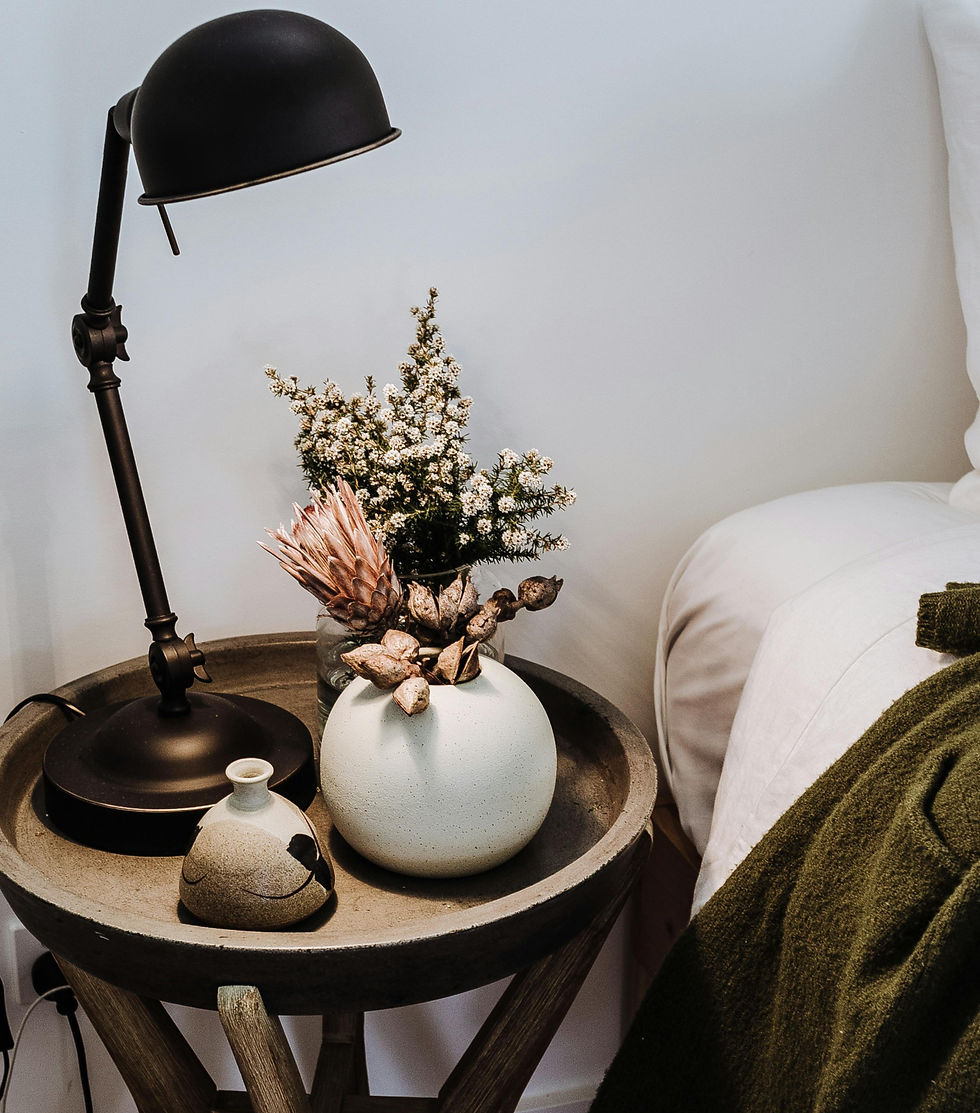
Before drying flowers at home, prepare them properly to ensure the best results:
Remove excess foliage: Leaves can trap moisture and cause mold.
Trim stems: Cut stems to your desired length, usually 6 to 12 inches.
Group flowers: Tie small bunches with a rubber band or string, keeping stems aligned.
Avoid washing flowers before drying, as added moisture slows the process and can lead to decay.
Methods for Drying Flowers at Home
There are several manual methods to dry flowers, each with its own benefits. Choose the one that fits your space, time, and flower type.
Hanging Flowers Upside Down
This classic method is simple and effective:
Tie flower bunches by their stems.
Hang them upside down in a dry, dark, and well-ventilated area.
Keep flowers away from direct sunlight to preserve colour.
Allow 2 to 4 weeks for complete drying.
This method works well for roses, lavender, and herbs. Hanging upside down helps flowers keep their shape and prevents petals from drooping.
Pressing Flowers
Pressing is ideal for flat flowers or petals you want to use in crafts:
Place flowers between two sheets of absorbent paper (like parchment or blotting paper).
Put the paper inside a heavy book or use a flower press.
Leave for 1 to 3 weeks, checking occasionally.
Once dry, flowers become flat and fragile but perfect for cards, bookmarks, or framed art.
Pressing works best with daisies, pansies, and violets.
Using Silica Gel
Silica gel absorbs moisture quickly and preserves flower shape and colour:
Fill an airtight container with a layer of silica gel.
Place flowers on top and gently cover with more gel.
Seal the container and leave for 3 to 7 days.
Carefully remove flowers and brush off excess gel.
This method is great for delicate flowers like tulips and peonies, but requires purchasing silica gel.
Tips for Successful Drying Flowers at Home
Keep humidity low: Moist environments cause mold and slow drying.
Avoid direct sunlight: Sunlight fades colours and weakens petals.
Check flowers regularly: Remove any that show signs of mold or decay.
Handle dried flowers gently: They become brittle and can break easily.
Using and Storing Dried Flowers
Once dried, flowers can be used in many creative ways:
Create wreaths, bouquets, or centerpieces.
Decorate candles, scrapbooks, or gift packages.
Frame pressed flowers for wall art.
Store dried flowers in airtight containers or display them in dry rooms to keep them looking fresh. Avoid humid areas like bathrooms.
Troubleshooting Common Issues
If your flowers don’t dry well, consider these factors:
Flowers were too wet when dried.
Humidity was too high.
Flowers were hung in direct sunlight.
Stems were too thick or dense, trapping moisture.
Adjust your drying environment or method to improve results next time.
Learn more ways to dry flowers:


Comments