
Cultural Flowers and Their Meanings: Asia
Updated: Mar 3
Flowers have long held a special place in Asian culture, carrying meanings that go beyond their beauty. Each flower tells a story, reflects values, or conveys emotions deeply rooted in tradition. Understanding these meanings enriches the experience of giving, receiving, or simply admiring flowers. This post explores some of the most common flowers in Asian cultures and the symbolism they carry.
Lotus: Purity and Spiritual Awakening
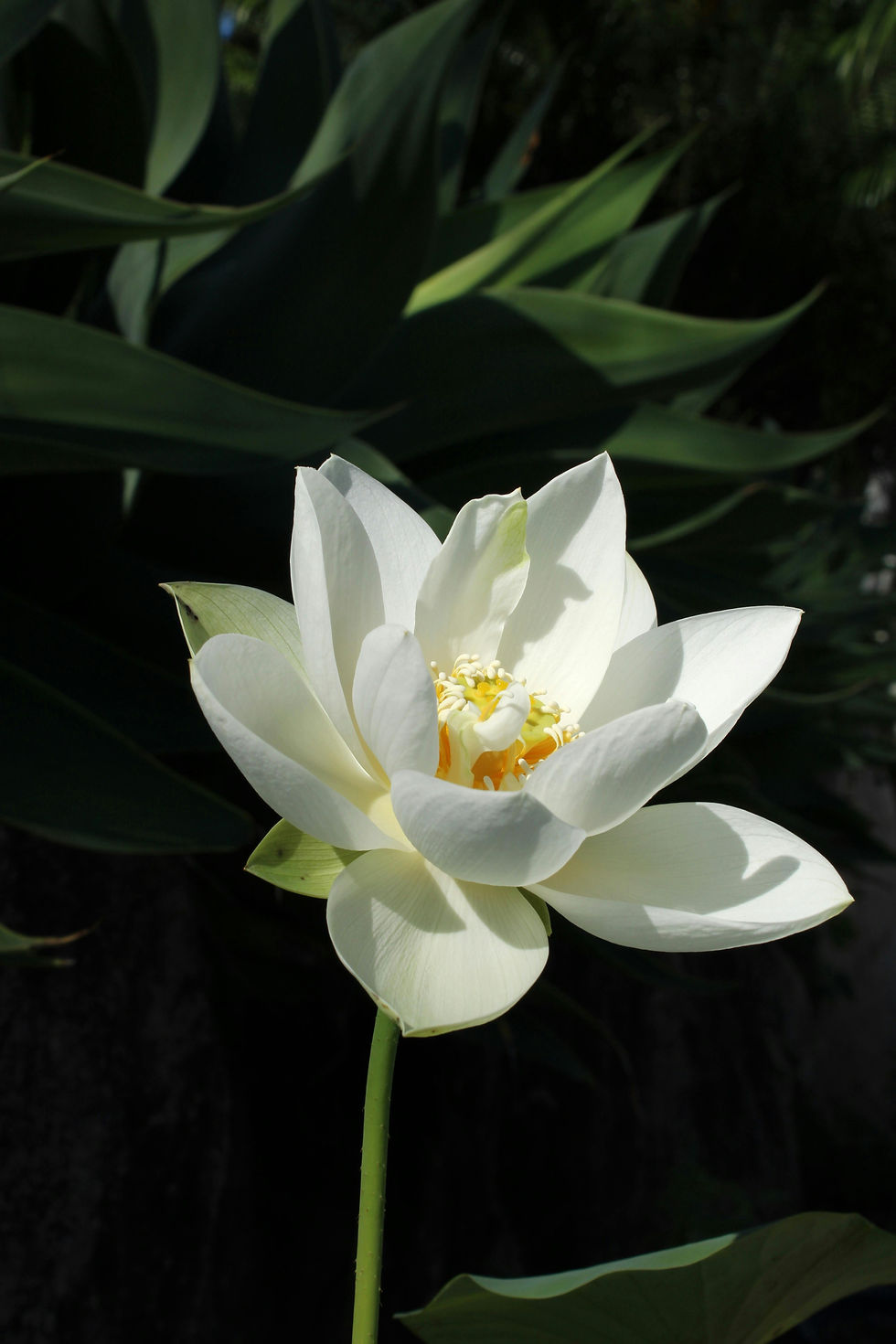
The lotus flower is one of the most revered flowers across many Asian countries, especially in India, China, Japan, and Southeast Asia. It grows in muddy water but rises above the surface to bloom with remarkable purity. This quality makes it a powerful symbol of purity, enlightenment, and spiritual awakening.
In Buddhism, the lotus represents the journey toward enlightenment, with each stage of the flower’s growth symbolizing different phases of spiritual development.
In Chinese culture, the lotus also stands for harmony and marital happiness.
The flower’s ability to bloom unstained by mud reflects the ideal of rising above worldly troubles.
The lotus is often used in religious art, ceremonies, and even in everyday life as a reminder of inner strength and peace.
Chrysanthemum: Longevity and Nobility

Chrysanthemums are widely appreciated in East Asia, especially in China and Japan. They bloom in autumn, symbolizing endurance and the ability to thrive in adversity.
In Chinese culture, chrysanthemums are associated with longevity and are one of the "Four Gentlemen" in Chinese art, representing noble character.
In Japan, the chrysanthemum is a symbol of the imperial family and is linked to rejuvenation and happiness.
The flower’s bright colours and long-lasting blooms make it a popular choice for festivals and celebrations.
Chrysanthemums often appear in traditional paintings and poetry, emphasizing their cultural importance.
Peony: Wealth and Honour

The peony is often called the "king of flowers" in China and is highly valued for its
large, lush blooms.
It symbolizes wealth, prosperity, and honour in Chinese culture.
Peonies are frequently used in weddings and festive occasions to wish for a prosperous future.
In Japanese culture, peonies also represent bravery and good fortune.
The flower’s rich appearance and strong fragrance add to its association with luxury and success.
Orchid: Elegance and Refinement

Orchids are admired across Asia for their delicate beauty and graceful form.
In Chinese culture, orchids symbolize elegance, nobility, and friendship.
Confucius praised orchids as a symbol of virtuous people who maintain their integrity even in difficult times.
In Thailand and other Southeast Asian countries, orchids are often used in religious offerings and symbolize fertility and refinement.
Orchids are a favourite among flower enthusiasts and florists for their variety and subtle meanings.
Plum Blossom: Resilience and Renewal
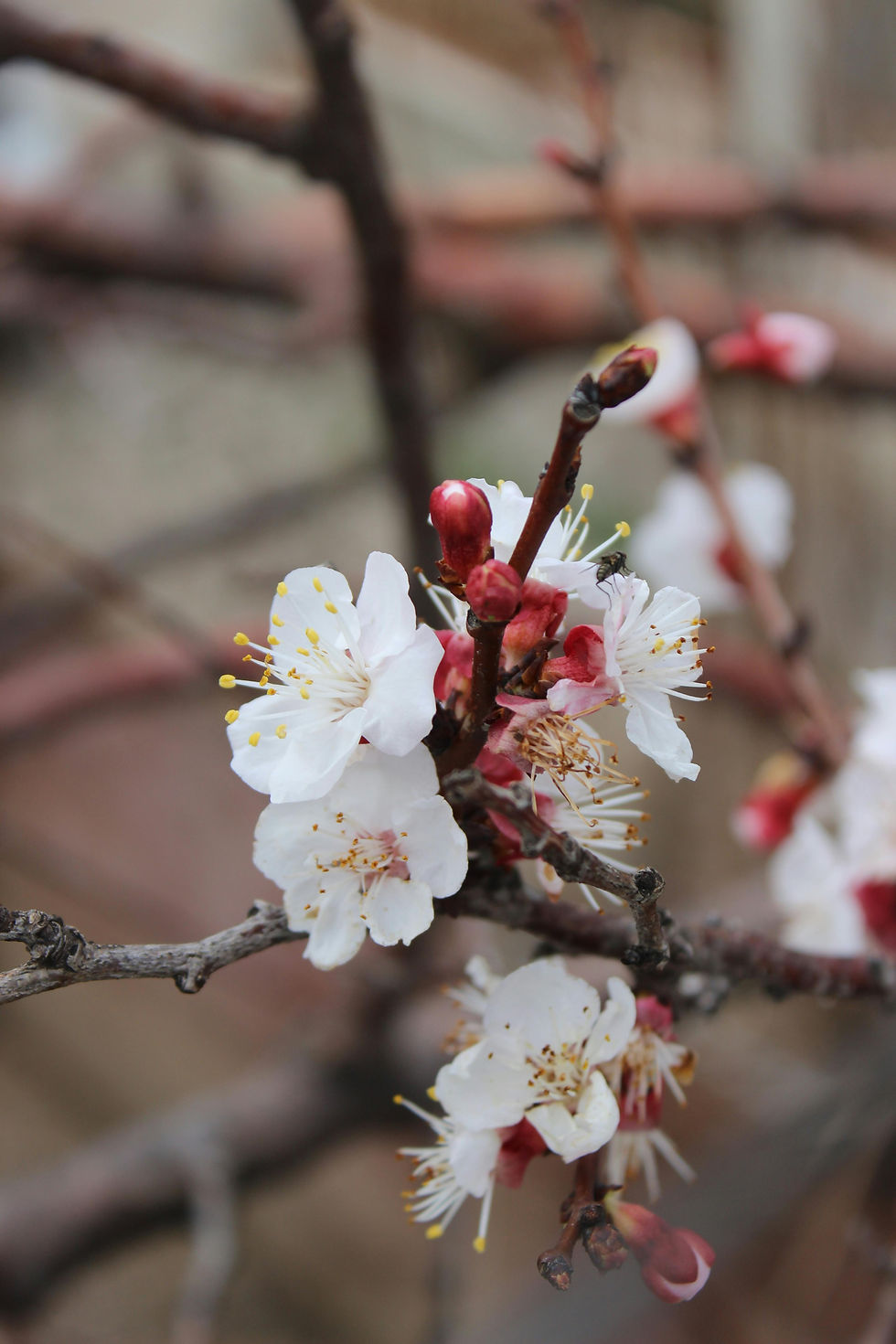
The plum blossom blooms in late winter or early spring, often before other flowers appear. This timing makes it a symbol of resilience and hope.
In Chinese culture, plum blossoms represent perseverance and renewal.
They are one of the "Three Friends of Winter," along with pine and bamboo, symbolizing steadfastness.
In Korea and Japan, plum blossoms also signify beauty and the arrival of spring.
The flower’s ability to bloom in harsh conditions inspires many as a metaphor for overcoming challenges.
Jasmine: Purity and Grace

Jasmine is cherished for its sweet fragrance and simple white flowers.
In many parts of Asia, jasmine represents purity, grace, and love.
In India, jasmine garlands are used in weddings and religious ceremonies to symbolize divine hope and spiritual purity.
In the Philippines and Indonesia, jasmine is the national flower and is associated with respect and humility.
Jasmine’s scent often evokes feelings of calm and affection, making it a popular choice for personal and cultural expressions.
Bamboo and Plum Blossom Together:
Strength and Endurance

While not a flower, bamboo often appears alongside plum blossoms in Asian art and symbolism. Together, they represent strength, flexibility, and endurance—qualities highly valued in many Asian cultures.
Bamboo bends but does not break, symbolizing resilience.
Plum blossoms show beauty in adversity.
This pairing is common in paintings and poetry, reminding people to stay strong and hopeful.
How Flower Meaning Influences Daily Life
The symbolism of flowers in Asian culture affects many aspects of life:
Gifts: Choosing the right flower conveys respect, good wishes, or condolences.
Festivals: Flowers play a key role in celebrations like the Lunar New Year, weddings, and religious events.
Art and Literature: Flowers inspire countless works that reflect cultural values and personal emotions.
Gardening and Decoration: Many people grow specific flowers to attract positive energy or honour tradition.
For flower enthusiasts and florists, understanding these meanings adds depth to their craft and appreciation.
When Picking Flowers In-Person
Once you get the basics down about these plants, you'll be able to chat with our store staff and pick out flowers like a pro.
Just a heads up, we don't always have every flower listed for sale, since some might be out of season or tough to get at times. Although we can help you pick flowers that may be similar if they're to your liking.
We might also have scented diffusers or other products with these flowers that you can grab as gifts.
If you're looking for a specific type of flower, we'll try our hardest to get it for you. Just swing by our store within two weeks after you shoot us an email. We get a high volume of email so we apologize if we can't get back to you. If you don't see the flowers in the store, it would mean we weren't able to acquire them for you.
These posts are for informational purposes only and do not imply that we have or can obtain these specific flowers for you in our shop.
For more flowers, learn more here:


Comments